What is a Digital Twin? Benefits of Using Digital Twins
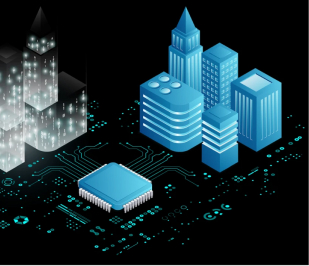
Digital twin technology is one of the fastest-growing concepts of Industry 4.0. In its simplest form, a digital twin is a virtual copy of a real-world object that is run in a simulation environment to test its performance and effectiveness.
According to Gartner, 13% of companies implementing IoT (Internet of Things) projects are also using digital twins, while 62% are in the process of starting to use digital twins or planning to use them. According to a recent report by MarketsandMarkets, the digital twin market is projected to grow from $3.8 billion in 2019 to $35.8 billion by 2025, at an annual growth rate of 37.8%.
The main factors driving growth in the digital twin market are the growth in IoT, the cloud sector, and the goal of reducing costs and product development time.
Digital twin technology is used in various industries, but it is especially important for manufacturers. Let's take a look at the benefits of using digital twins and what you should pay attention to before you start using them.
Benefits of Using Digital Twins
1) Accelerated Risk Assessment and Production Time
With the help of digital twins, companies can test and evaluate a product even before it is physically manufactured. By creating a copy of the planned production process, the digital twin allows engineers to identify any problems before the product enters production. Engineers can deliberately disrupt the system to simulate unexpected scenarios, examine the system's response, and develop strategies for dealing with these situations. This new capability improves risk assessment, accelerates the development of new products, and increases the reliability of the production line.
2) Predictive Maintenance
Since the IoT sensors of the digital twin system generate big data in real-time, companies can analyze this data to identify any problems within the system in advance. This capability enables companies to schedule predictive maintenance more accurately, thus increasing production line efficiency while reducing maintenance costs.
3) Real-Time Remote Monitoring
Obtaining a real-time and comprehensive view of large physical systems is often nearly impossible. However, a digital twin can be accessed from anywhere, allowing users to remotely monitor and control system performance.
4) Better Team Collaboration
24/7 access to process automation and system information allows technicians to focus more on cross-team collaboration, increasing productivity and operational efficiency.
5) Better Financial Decision Making
An exact virtual copy of a physical object makes it possible to calculate financial items such as material and labor costs in advance. The availability of large amounts of real-time data and advanced analytics allows companies to make better and faster decisions about whether adjustments in the production value chain are financially sound.
Things to Consider Before Using Digital Twins
1) Update Your Data Security Protocols
Gartner estimates that 75% of digital twins of IoT-connected OEM products will use at least five different integration endpoints by 2023. The amount of data collected from so many endpoints is naturally very large, and each endpoint is a potential security vulnerability. Therefore, companies should evaluate and update their security protocols before using digital twin technology. The areas of highest security importance are:
- Data encryption
- Access privileges and user roles
- Known vulnerabilities of devices
- Routine security audits
2) Manage Your Data Quality
Digital twin models rely on data from thousands of remote sensors communicating over unreliable networks. Companies wishing to implement digital twin technology must be able to spot bad data and manage gaps in data streams.
3) Train Your Employees
The use of digital twin technology can lead to problems in creating new technical areas in the company. Therefore, companies using digital twins should adopt new ways of working. Companies must ensure that their employees have the necessary skills and tools to work with digital twin models.
Conclusion
When combined with the latest machine learning and artificial intelligence tools, digital twin technology helps companies in many industries reduce operational costs, increase productivity, improve performance, and change the way predictive maintenance is performed. Digital twin technology is especially important for manufacturers to achieve more efficient production lines and faster time to market.